Health and Safety Policy — Skip Hire Twickenham
 This Health and Safety Policy sets out the commitments and practical controls adopted by Skip Hire Twickenham to manage risks associated with skip hire, rubbish removal and waste collection activities. The policy applies to all employees, contractors and temporary staff engaged by the company, and covers operations at client sites, depot handling and transport. Our objective is to protect people, property and the environment by integrating safety into every stage of the skip hire process.
Scope and purpose: the policy defines responsibilities, safe systems of work and monitoring arrangements for waste management services, including domestic and commercial rubbish collection, skip placement and retrieval, and disposal coordination. It is designed to be practical, proportionate and focused on preventing harm. The policy complements statutory obligations and industry best practice while remaining readable for operatives on the ground.
 Policy commitments include the prevention of injury and ill health, reduction of environmental impact, and continuous improvement. We will: assess risks for each task, supply appropriate personal protective equipment (PPE), provide training, and maintain safe vehicles and equipment. The company promotes a culture where safety concerns are reported without delay and acted upon promptly.
Responsibilities and roles
Management is responsible for setting the standards, allocating resources and ensuring adherence to this policy. Line managers must implement safe systems of work, ensure risk assessments are completed and that staff are competent for their duties. Employees are required to follow instructions, use provided PPE and report hazards. Contractors engaged for rubbish collection or skip servicing are expected to operate to equivalent standards.
Training and competence are central to safe waste services. We provide induction training for new staff, periodic refresher courses and task-specific instruction for drivers, banksman and site operatives. Records of training and qualifications will be maintained and reviewed regularly to ensure continued competence for roles such as skip loading, vehicle operation and handling of potentially hazardous materials.
Equipment safety: all vehicles, lifting gear and skip handling equipment are subject to scheduled maintenance and inspections. Faults are reported via written procedures and rectified before further use. Safe lifting techniques are enforced to reduce manual handling injuries, and mechanical aids are provided where practicable.
Operational controls
Site operations: skip placement and collection will be planned to minimise traffic disruption and prevent access hazards. When working near public footpaths or roads, appropriate signage, cones and barriers will be used. Vehicle movements are controlled through trained banksmen and clear communication protocols to protect both operatives and the public.
 Waste segregation and hazardous materials: skips are labelled and used according to waste type. Operators must not accept unknown, flammable, toxic or asbestos-containing materials without prior assessment. Where hazardous waste is identified, removal will be carried out by trained personnel following legal requirements and using specialised containment and disposal routes.
PPE and first aid: the company provides compliant PPE including hi-visibility clothing, gloves, steel-toe boots and eye protection. First aid kits are positioned at depots and in vehicles; trained first-aiders are available during working hours. Immediate action is taken for any injury, and incidents are recorded to inform future prevention.
Emergency procedures and incident reporting: clear procedures are in place for vehicle collisions, spillages, fire and medical emergencies. Staff are briefed on these procedures and know how to escalate incidents. Near misses and safety observations are logged, investigated and used to refine controls. The company uses a no-blame approach to encourage reporting and learning.
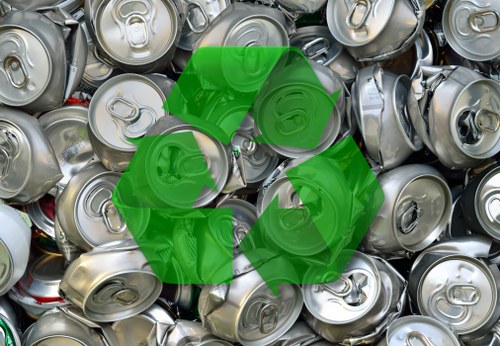
Environmental protection: waste transfer, storage and transport are conducted to prevent pollution and nuisance. Spills are contained and cleaned promptly; measures are in place to prevent run-off into drains. The company promotes recycling and responsible disposal, seeking to divert material from landfill where legitimate and legal recycling options exist.
Contractor and visitor management: all third parties working on our behalf are required to show evidence of appropriate insurance, training and risk controls. Visitors to depots or active sites are briefed on hazards and supervised. Safety briefings and site induction checklists are used to maintain consistency.
 Monitoring, audit and review: performance is monitored through inspections, audits and performance indicators such as incident frequency and near-miss reporting rates. Results are reviewed by management and used to update risk assessments and training programmes. Continuous improvement is promoted through regular safety meetings and practical feedback loops.
Risk assessment and safe systems: dynamic risk assessments are carried out before tasks that present changing hazards, such as on-street skip placements or bulky waste removals. Written method statements support recurring tasks, and control measures are implemented to reduce identified risks to an acceptable level. Our approach is pragmatic: controls are selected to be effective, sustainable and proportionate to the risk involved.
 Implementation and legal context: this policy is implemented through specific procedures, staff training and ongoing supervision. While it aligns with applicable health, safety and environmental obligations, it is intended as an operational safety statement rather than legal guidance. The policy will be reviewed at least annually or following significant changes in operations, equipment or legislation. Skip Hire Twickenham expects every team member to be actively involved in maintaining a safe working environment.