Skip Hire in Twickenham
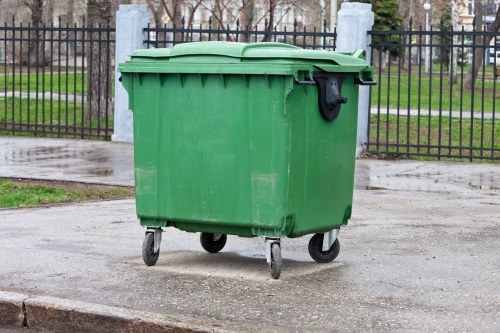
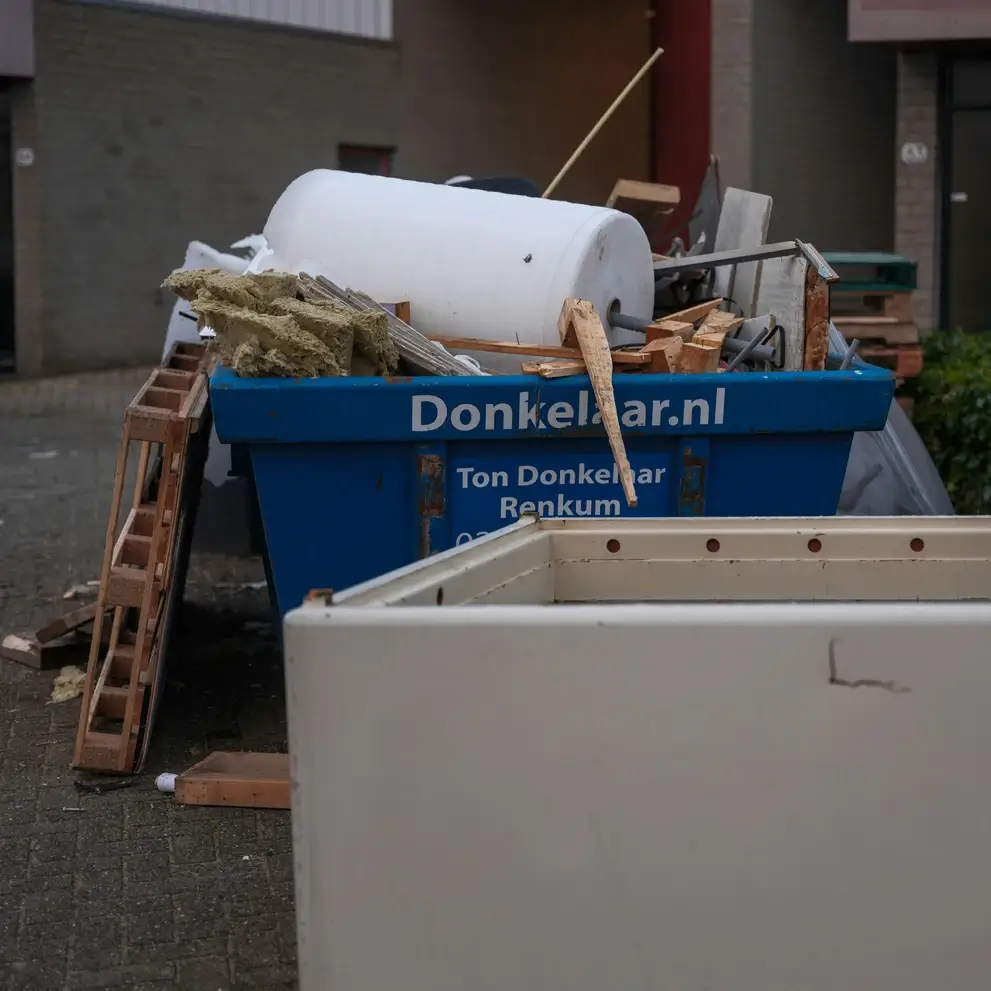
Skip hire in Twickenham is a practical way to keep household, garden and building waste moving without letting it pile up on site or at home. Our service covers a clear range of skip sizes and waste types, so you can match the container to the work rather than over-ordering or underestimating. For customers planning a straightforward clearance, skip sizes and prices is a useful place to compare options before choosing a container that suits the job.
We provide skip hire for domestic clear-outs, refurbishment waste, garden projects and ongoing trade work, with options that can be matched to access, volume and the sort of material being loaded. That means you can plan around a driveway, road placement or limited frontage with more confidence, and keep the collection process simple. If you already know what needs to be removed, you can also start with what can go in a skip so the load is easier to sort in advance.
To request a quotation, tell us what you are clearing, where in Twickenham the skip will go and roughly how much waste you expect. A little detail at the start helps us point you towards the most suitable service and avoid unnecessary changes later. If you are comparing collection styles as well as skip hire, pricing and quotes is a sensible next step when you are ready to enquire.
Domestic Skip Hire for Homes and Refurbishments
Domestic skip hire is often chosen for loft clear-outs, kitchen removals, bathroom rip-outs and general decluttering where a series of bags would be slower and harder to manage. The main decision is usually capacity: a skip that is too small can lead to extra waiting, while one that is too large may take more space than you have available. We can help you think through the practical side of the work so the container fits the project and the property.
For mixed household waste, it helps to separate bulky items, recyclable material and anything that may need special handling before the skip arrives. That makes the loading process smoother and keeps the contents more orderly from the start. If the property has access restrictions, a wait and load skip hire option may be worth considering where a stationary skip would not be convenient.
Choosing the right domestic option
When a home project is spread over several rooms, it is usually better to choose a service that allows for a clear loading sequence. Heavy items can go in first, lighter broken materials can fill gaps, and easier-to-recycle waste can be kept separate where needed. Some customers prefer to arrange the collection around a single day of work, while others like a container on site for longer. The best choice depends on access, waste type and the speed of the project.
If you are clearing a garage, attic or spare room, it can be helpful to combine the main household collection with a more focused service such as garage and loft clearance. That gives you a clearer way to tackle awkward stored items, loose packaging, old furnishings and general domestic clutter without trying to sort everything at the last minute.
Builders Skip Hire and Site Waste

Builders skip hire is intended for renovation waste, stripped-out fixtures, timber, plasterboard, bricks and other construction debris that builds up quickly on active jobs. The point is to keep materials moving away from the working area so teams can keep access clear and maintain a more organised site. For heavier trade loads and mixed building waste, our builders skip hire page gives a straightforward route into the most relevant service.
Where the work involves larger clearances or repeated loading across a broader area, some projects suit site clearance rather than a single container alone. That can be useful for groundworks, strip-outs and tidy-up stages when debris is spread across a wider footprint. In some cases, a more specific service such as construction waste disposal can also help when you want the removal arranged around the nature of the waste itself.
For contractors, a skip is often part of a broader waste plan rather than the whole solution. It can sit alongside demolition work, internal strip-out or phased refurbishment, with loading organised to match the order in which materials are removed from the building. Keeping the waste stream predictable makes it easier to avoid clutter and manage access for tools, labour and deliveries throughout the job.
Commercial Waste, Office Clearances and Trade Work
Commercial skip hire is well suited to shops, offices, managed premises and other workplaces that need waste removed in a controlled way. Furniture, packaging, dismantled fittings and general non-hazardous office waste can all be handled through a clear collection plan. For businesses that want a more premises-focused option, commercial skip hire and office clearance both support organised removal with fewer interruptions to day-to-day work.
Trade customers often need a service that can cope with changing volumes rather than a fixed pattern of waste. A small job may only produce light mixed debris, while a larger refurbishment can create regular loads that need steady collection. In those situations, it is worth comparing the main skip service with rubbish removal so the method of collection matches the pace of the project and the type of material involved.
Useful planning points for commercial waste include access, loading space, and whether the work area can safely accommodate a container during opening hours. A short note on the materials involved is often enough to guide the choice. If you need help with a more specialist business load, construction waste clearance offers a route for jobs that produce a higher share of trade debris and stripped-out materials.
Garden, Outdoor and Lightweight Green Waste
Garden skip hire is a practical choice for hedge cuts, turf, branches, soil, old fence panels and other outdoor waste that accumulates during seasonal work. It is often used when a garden has been neglected for a while, or when landscaping creates more spoil than ordinary bins can manage. For green materials and outdoor tidy-ups, garden waste removal is a relevant service when the job is focused on vegetation and garden debris rather than mixed household rubbish.
Outdoor projects can also benefit from a more targeted approach when the waste is bulky but not especially heavy. Broken sheds, rot-damaged timber, broken paving and general garden clearance debris may suit a container that is chosen for volume as much as weight. If the work is concentrated around an outside refresh or a broader tidy-up, house clearance may be useful where the indoor and outdoor elements are being tackled together.
Customers often find it helpful to group the waste into rough categories before the collection day: green waste, timber, soil and mixed items. That simple habit makes loading easier and can prevent time being lost deciding where each item should go. Clear sorting before delivery is not essential, but it usually makes the service more efficient and keeps the skip easier to fill sensibly.
Specialist Collections for Unusual or Bulky Items
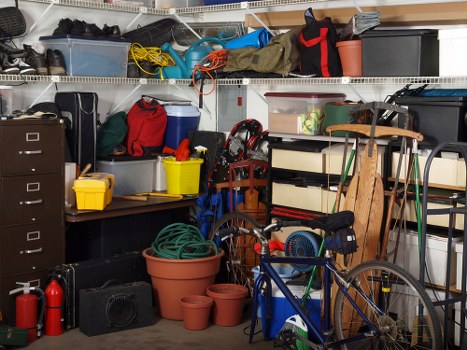
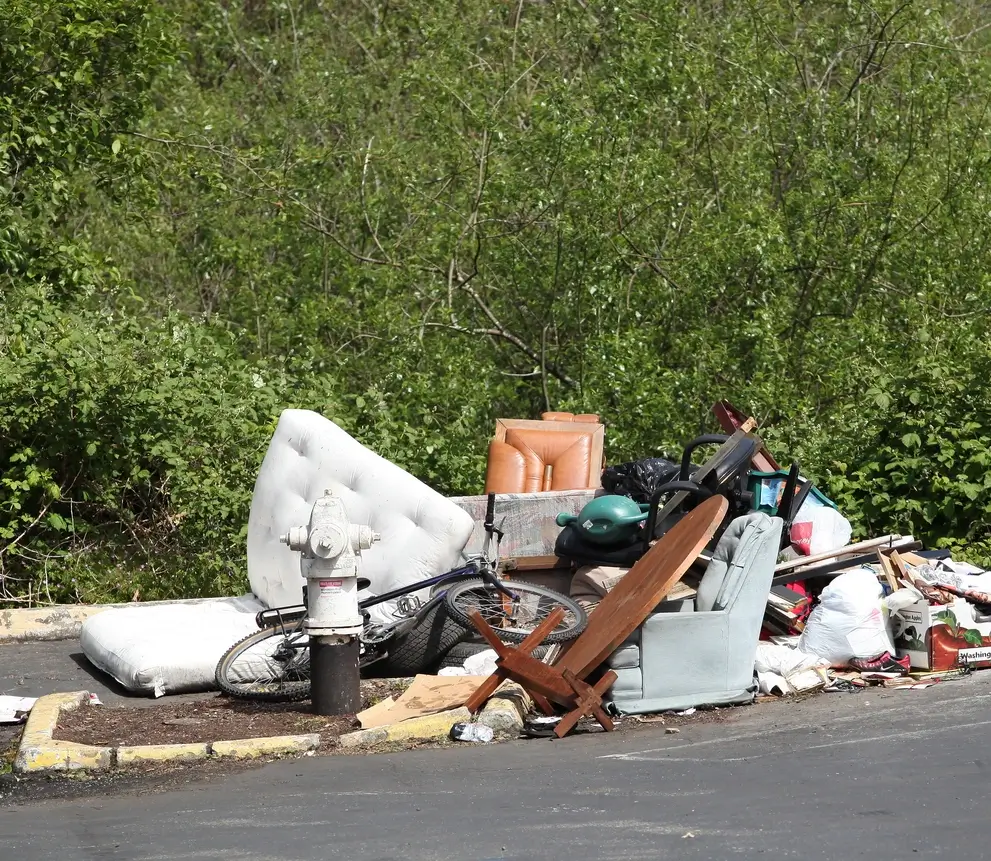
Some waste does not fit neatly into a general clear-out, especially when the load includes awkward household items, heavier single pieces or materials that need a more cautious approach. For example, a sofa, fridge or mattress is often easiest to plan for through a dedicated removal route. When the contents are more specific, mattress and sofa disposal and fridge and appliance removal can be better suited than a standard mixed skip.
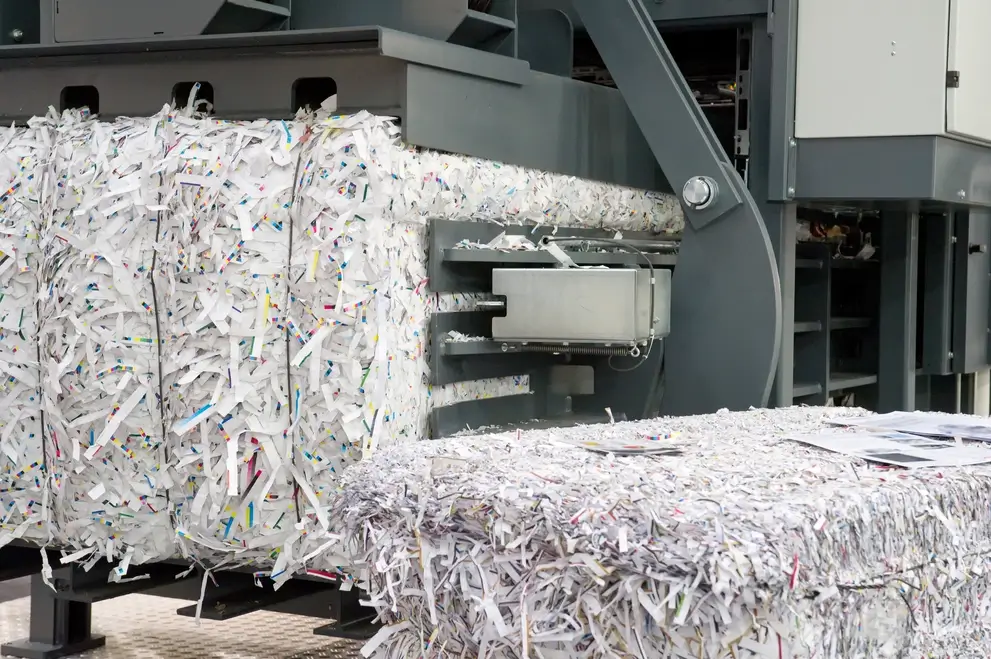
Where waste needs careful handling because of its nature, it is important not to mix it in with ordinary household or building material. That includes items that may be classed as hazardous, confidential or otherwise unsuitable for routine disposal. In those situations, you should look at the relevant specialist page, such as hazardous waste disposal or confidential shredding, rather than assuming a normal skip is appropriate.
More specialised collections can also support larger one-off tasks where the waste stream is varied and not easy to predict. The key benefit is that the disposal method matches the material instead of forcing everything into one generic plan. That can make it easier to work through the items one by one, especially where there are bulky or sensitive contents that need separate attention before removal.
How We Help You Plan the Hire
The most useful quotation requests include a short description of the work, the location of the skip and an estimate of how long you want it in place. If the site has limited access, let us know whether there is a driveway, roadside placement or loading space nearby. You do not need to write a long brief, but a few practical details help us point you towards the right service and reduce the need for back-and-forth later.
It also helps to think about the waste profile before you enquire. A load made up mainly of household clutter is different from one containing bricks, soil or heavy rubble, and both can differ again from business waste or garden material. If you are planning a project in stages, you may want to compare same day skip hire with a more flexible arrangement so the timing of collection works around the pace of the job.
- Describe the main waste type in plain terms.
- Estimate the amount as best you can.
- Note whether access is easy or restricted.
- Say whether you need a short or longer hire period.
Those points are usually enough to start a sensible conversation about the right container and collection method. If you are comparing service choices as part of the same project, matching the skip to the task matters more than choosing the largest option available. A concise enquiry is often the fastest route to a useful recommendation.
Permits, Access and Roadside Placement
In some parts of a job, placement is just as important as size. A skip on private land can be straightforward, but roadside placement may require additional checks or permissions depending on where it is going. For that reason, customers often review the access point first and then decide whether the skip should sit on a drive, forecourt or other suitable area. If a permit may be needed, skip permits is the relevant page to consult before finalising the plan.
Access also affects loading speed and safety. Tight entrances, narrow roads, overhanging branches and parked vehicles can all influence how easy it is to place and use the container. If the area is awkward, the hire choice should account for that from the outset rather than as an afterthought. In some cases, grab hire services may be a better fit when access constraints make a stationary skip less convenient.
For customers who want added protection for the contents, an enclosed or lockable option may be more suitable than an open container. That can be useful where waste is being held for a longer period or where you want to reduce the risk of other material being added. The main point is to choose the format that best suits the site, the waste and the level of control you need during the hire.
Waste Types, Recycling and Responsible Handling
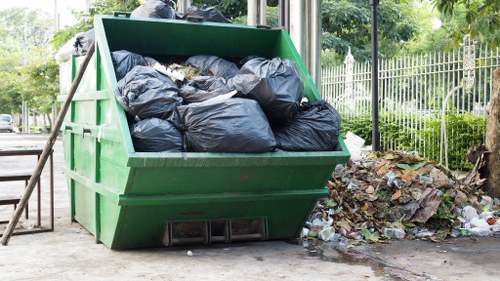
Not every skip hire customer is simply trying to remove volume; many also want waste handled in a way that supports sorting and recovery where possible. Different materials may be separated after collection, depending on the load and the type of waste involved. For customers who want to think ahead about material recovery, waste recycling services and recycling and sustainability are useful pages to review alongside the main hire service.
Good waste handling starts with the choices made before loading. Heavy rubble, timber, metal, plasterboard, green waste and mixed general rubbish can all behave differently in a container, and placing them sensibly can help avoid wasted space. Where the waste is suitable, separating obvious recyclables from general rubbish may make the overall load easier to manage and may also support a cleaner collection process.
Responsibility also means understanding what should not go into a standard skip. Hazardous, specialist and controlled items often need a separate route, and it is better to identify those early than to guess later. If in doubt, the safest approach is to check the relevant service page rather than assume the material can go with ordinary mixed waste. That keeps the hire simple and reduces the risk of needing a second collection.
About Twickenham
Twickenham sits on the north bank of the River Thames in southwest London and is closely associated with riverside scenery, historic streets and long-established sporting and cultural landmarks. The area developed from a riverside settlement into a suburban district with a strong local identity, shaped by transport links, villa housing and leisure uses along the river. Marble Hill House, a Palladian villa built in the 18th century, is one of the best-known architectural landmarks nearby, while York House Gardens provides formal planting, statues and riverside views that contrast with the busier nearby streets. The area also includes open green spaces such as Radnor Gardens and the wider riverside walks that connect Twickenham with neighbouring parts of Richmond upon Thames. The rugby stadium at Twickenham has given the district an international sporting profile, but the place is not defined by one landmark alone. It also has a recognisable town centre, independent shops, cafes and a mixture of residential streets that reflect different periods of development. The Thames towpath, nearby transport routes and local parks all contribute to a setting that combines suburban life with a strong sense of waterway and landscape. The result is a place that feels both settled and active, with layers of history visible in its architecture, open spaces and riverside setting.
Book the Right Skip for Your Project
Once you have decided on the main waste type and how the container will be used, arranging the hire becomes much simpler. The most helpful details are still the basics: what you are clearing, where the skip will be placed and when you need it. For projects that need a direct booking route, book online is available for customers who already know the service they want and are ready to move ahead.
If your project includes builders’ waste, mixed household items or a combination of outdoor and indoor clearance, it is worth choosing the most relevant page rather than treating every job the same. A skip can support all kinds of removal work, but the best result comes from matching the container and the collection method to the actual waste on site. If you are still weighing up the service style, domestic skip hire is a useful comparison point for home-based jobs and straightforward clear-outs.
Request a quotation today and let us know what you need removed, where in Twickenham the skip will go and how the job is likely to unfold. We will help you narrow the choice to a practical option, so you can get the waste away and keep the project moving.