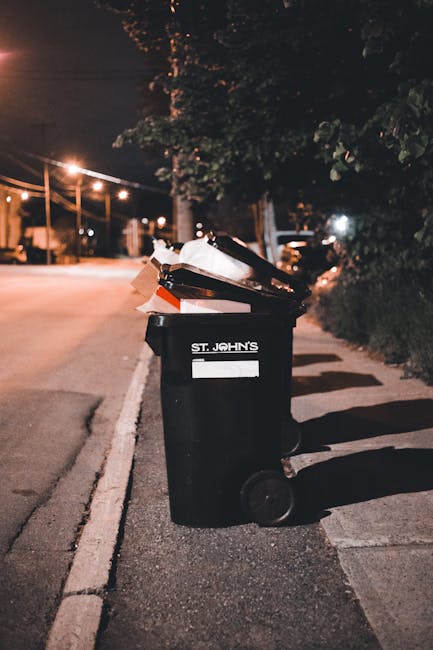
Community rubbish drop off points near Twickenham Stadium: a practical local guide
If you are trying to clear rubbish near Twickenham Stadium, you probably want a simple answer, not a maze of conflicting advice. Community rubbish drop off points near Twickenham Stadium can be a handy option for small loads, awkward one-off clearances, and the kind of mess that appears after a DIY job, a flat clear-out, or a pre-match gathering that ran a bit longer than planned. The trick is knowing what these points are actually for, what they will and will not take, and when a better option makes life easier.
This guide walks through the basics in plain English. You will learn how community drop-off points typically work, who they suit, common mistakes to avoid, and what to do if your rubbish is too bulky, too mixed, or just too much to sensibly shift in one go. It is local, practical, and meant to save you a wasted journey. Let's face it, nobody enjoys loading a car twice because the first trip was a guess.
Contents
- Why community rubbish drop off points near Twickenham Stadium matter
- How community rubbish drop off points near Twickenham Stadium works
- Key benefits and practical advantages
- Who this is for and when it makes sense
- Step-by-step guidance
- Expert tips for better results
- Common mistakes to avoid
- Tools, resources and recommendations
- Law, compliance, standards, and best practice
- Options, methods, and comparison
- Case study or real-world example
- Practical checklist
- Conclusion
- Frequently asked questions
Why Community rubbish drop off points near Twickenham Stadium Matters
Twickenham Stadium is busy in a very specific way. Match days, concerts, events, local traffic, and surrounding residential streets all create a slightly different waste picture than you get in a quiet suburban area. One person might be clearing packaging after a home renovation, while another needs to dispose of broken garden furniture before a viewing, and someone else simply wants to remove a few bags of old household rubbish without waiting around for a bulky collection slot.
That is where community rubbish drop off points can help. They offer a local, usually straightforward way to dispose of waste without storing it at home for days or trying to cram everything into the nearest wheelie bin. For smaller quantities, they can be a sensible, low-fuss option. For residents close to the stadium, they also fit the rhythm of daily life better than some larger disposal journeys. Quick in, quick out. Hopefully.
There is also a practical community benefit. When people know where to take waste properly, rubbish is less likely to be left beside overflowing bins, dumped in alleys, or shoved into the wrong container "just this once". That matters around a busy stadium area where footfall is high and streets can already feel tight on space.
Expert summary: Community rubbish drop off points are best viewed as a local convenience tool, not a catch-all waste solution. They work well for small, sorted loads and planned trips, but they are not ideal for mixed builders' waste, large furniture piles, or anything hazardous.
How Community rubbish drop off points near Twickenham Stadium Works
In simple terms, a community drop-off point is a place where local waste can be brought for disposal or recycling, usually in designated containers or through a managed handover process. Some are council-run, some operate through private facilities, and some are set up for specific waste streams such as cardboard, green waste, or bulky household items. The exact setup varies, so it always pays to check the rules before setting off.
Most drop-off points work around a few common principles:
- They accept specific waste types only. For example, one site may take garden waste and small household rubbish, but not plasterboard or electricals.
- Loads must often be sorted. Mixed waste can create problems, especially if recyclable material is tangled up with general rubbish.
- Opening times may be limited. Around busy transport and event zones, access windows can matter more than you expect.
- Proof of local residency or vehicle restrictions may apply. Some facilities are open only to residents, or they may have restrictions on vans and trailers.
A typical visit is fairly simple. You arrive, check in if needed, unload the approved material into the correct bay or container, and leave. The hard part is usually the prep: sorting the rubbish, choosing the right site, and making sure you are not turning up with the wrong waste on the wrong day.
To be fair, the process feels easy when the load is small. A few bin bags, a stack of flattened cardboard, maybe one broken chair. The problems tend to start when "just a little bit" becomes half a van load and suddenly you are wondering whether you needed a skip after all.
Key Benefits and Practical Advantages
The appeal of community rubbish drop off points near Twickenham Stadium is not just convenience. There are several practical advantages that make them worth considering.
1. They can reduce clutter fast
If your bins are already full or you cannot wait for regular collection, a local drop-off point can help you clear space quickly. That is especially useful before guests arrive, after a tenancy change, or after tidying a garage that has quietly become a storage unit for things you do not quite want, but also do not quite use.
2. They suit small-to-medium DIY and household loads
For people tackling a bathroom refresh, a room declutter, or a garden tidy-up, a drop-off point can be more cost-effective than arranging a full removal service. If the waste is manageable, this route can be neat and economical.
3. They support recycling and better sorting
Many community disposal points separate recyclables from general rubbish, which is helpful if you are trying to reduce what ends up as residual waste. Flattened cardboard, metal, green waste, and some clean household materials can often be handled more responsibly when sorted properly.
4. They can be more flexible than waiting for a collection
Collection slots are not always convenient. Some people can get a load out in the car on a Saturday morning and be done by lunch. That flexibility is worth a lot, especially if your schedule is already packed.
5. They can help keep local streets cleaner
Waste left outside properties, even temporarily, can become a nuisance. Wind, rain, and foot traffic all make the problem worse. A proper drop-off is often the cleaner, tidier solution.
| Option | Best for | Main drawback |
|---|---|---|
| Community drop-off point | Small sorted loads, quick local disposal | Restrictions on waste types and vehicle access |
| Skip hire | Larger projects, bulky or mixed waste | Needs space and may require a permit |
| Man and van collection | Heavy lifting, awkward items, convenience | Can be pricier for very small loads |
| Grab hire services | Large loose waste piles | Less suitable for tiny jobs or tight access |
This little comparison is often where people have their lightbulb moment. If your rubbish is tiny, a drop-off point might be enough. If it is big, awkward, or mixed, another method may be the better fit.
Who This Is For and When It Makes Sense
This topic is relevant to a wide mix of local users, and that is part of why it gets searched so often. You are probably in one of these situations if you are looking for community rubbish drop off points near Twickenham Stadium.
- Homeowners doing a tidy-up. A loft clear-out, garage refresh, or garden reset can produce more waste than expected.
- Renters between moves. End-of-tenancy clearances often create a jumble of unwanted items, packaging, and general rubbish.
- Small landlords and letting agents. Occasional clearances need to be quick, practical, and tidy.
- Local tradespeople. Small quantities of non-hazardous waste may be easier to remove in stages.
- Event hosts and families. After a big gathering, broken packaging, bottles, and general waste can pile up fast.
- Anyone with limited storage. If you live in a flat or have no driveway, keeping rubbish around is simply not pleasant.
It makes sense most when the load is modest and clearly sorted. If you are carrying one or two well-packed bags, or a few recyclable items, it is often a straightforward choice. If your rubbish includes bulky furniture, soil, plasterboard, paint, or electrical appliances, pause and think first. Not every item belongs in the same place, and not every disposal route is suitable for every material.
A quick rule of thumb: if you need more than a car boot and a little patience, you should probably compare your options before you go.
Step-by-Step Guidance
Here is the practical route I would suggest if you want to use a community rubbish drop off point near Twickenham Stadium without wasting time.
- Identify the waste type. Separate household rubbish, recycling, garden waste, and anything that could be classed as hazardous or specialist waste.
- Check what the site accepts. Do not assume. Some points only take specific streams, and a rejected load is a miserable way to start the day.
- Sort and bag the waste properly. Keep items grouped. Flatten cardboard if possible. Put sharp or awkward items somewhere safe for transport.
- Measure the load mentally. If it is bigger than you first thought, you may need a different option such as domestic skip hire or a collection service.
- Check access and opening times. Around the stadium area, journeys can take longer than expected during events or peak traffic.
- Prepare the vehicle. Use sheets, gloves, tie-downs, or containers so the rubbish does not shift on the way.
- Take it to the right place. Follow any site instructions carefully and keep an eye out for staff guidance or signage.
- Unload neatly. Put items in the correct bay or container. Do not leave waste beside skips or in access routes.
- Clean the vehicle afterward. A quick sweep saves a lingering smell and avoids cross-contamination with the next load.
If the process starts feeling overcomplicated, that is often a clue in itself. The waste may be too mixed or too bulky for a community drop-off point to be the best answer. In that case, services such as rubbish removal or man and van collection may fit better.
Expert Tips for Better Results
People often think waste disposal is just about "getting rid of stuff". Truth be told, the smoother jobs are usually the ones that were planned for ten minutes first.
Sort before you load
Do not wait until you reach the site to work out what is recyclable, what is general waste, and what should never be mixed in. A few minutes of sorting at home can save a lot of faffing around later.
Keep the load dry if you can
Wet cardboard, damp soft furnishings, and soggy bags are more awkward to handle and less useful for recycling. If the weather has turned, a tarp or simple cover can help. London rain has a habit of arriving just as you have started.
Use the right disposal route for the material
Garden waste, appliances, confidential documents, and heavy rubble all behave differently. For example, a small domestic declutter is very different from a builders' clearance. If you are dealing with renovation waste, look at builders skip hire or construction waste disposal rather than trying to shoehorn everything into a community point.
Think about access before the day of disposal
If your street near Twickenham Stadium is tight, busy, or hard to park in, plan the route in advance. Event days can make a short journey feel strangely long. A morning drop-off on a quieter day is often easier than a late afternoon dash.
Separate specialist items early
Fridges, mattresses, office equipment, and confidential paper tend to require specific handling. Rather than mixing them with general rubbish, deal with them at the start. It makes the whole job cleaner and less stressful.
If you are unsure, ask yourself a simple question: would I be happy if someone else had to unload this mixture? If the answer is no, split it up.
Common Mistakes to Avoid
There are a few classic errors that come up again and again. Nothing dramatic, just the sort of thing that turns a quick job into a frustrating one.
- Turning up without checking acceptance rules. This is the big one. Sites can be more selective than people expect.
- Bringing hazardous materials to a general point. Paint, solvents, batteries, chemicals, asbestos-related waste, and similar items need special handling.
- Overfilling a car or trailer. If your load is unstable, stop. Safety comes first.
- Mixing recyclables with residual waste. Once it is all blended together, you may lose the chance to recycle the cleaner materials.
- Assuming all bulky items are accepted. A mattress, sofa, or appliance may need another route.
- Ignoring local congestion. Near the stadium, timing matters more than you think.
Another sneaky mistake is underestimating the quantity. What looked like three bags in the hallway can become six bags plus a broken shelf and two boxes of oddments once you start pulling everything out. That is normal, by the way. Happens to everyone.
Tools, Resources and Recommendations
You do not need fancy equipment, but a few simple items can make the whole process easier and safer.
- Heavy-duty bags or reusable tubs for loose rubbish and smaller items.
- Work gloves for sharp edges, dirty materials, and awkward lifting.
- A measuring tape or rough volume estimate so you know whether the load is genuinely small.
- Tarpaulin or dust sheets to protect car boots and keep waste contained.
- Ratchet straps or bungees for safe transport of larger items.
- Labels or markers for sorting mixed waste before you leave home.
If you are comparing alternatives, these pages can help you narrow things down:
- skip sizes and prices for choosing the right capacity
- wait and load skip hire if you want a quick no-storage solution
- skip hire permits if a skip may need to sit on the road
- recycling and sustainability for a broader view of responsible disposal
- what can go in a skip if you are unsure about item types
One useful habit is to keep a simple "sort pile" near the door before disposal day: one for general waste, one for recycling, one for specialist items. It sounds a bit fussy, but honestly it saves time and avoids last-minute confusion.
Law, Compliance, Standards, and Best Practice
Waste disposal in the UK is not just about convenience. There is a basic duty to dispose of rubbish responsibly and to use appropriate routes for different waste types. You do not need to memorise every regulation to get this right, but you should understand the spirit of it: keep waste controlled, separate where needed, and avoid putting prohibited items into general waste channels.
For community drop-off points, the main best-practice points are straightforward:
- Follow site rules exactly. If a facility says no hazardous waste, do not try your luck.
- Keep loads identifiable. Mixing everything together makes recycling harder and can create safety problems.
- Use authorised services for specialist waste. Items such as confidential paper, fridges, and certain electricals may need dedicated handling.
- Transport waste safely. Secure loads to protect yourself and other road users.
- Do not dump waste outside the point. Leaving items beside containers is not disposal, it is fly-tipping.
That last point matters more than some people realise. If a site is full, closed, or unsuitable for your load, take it home and choose another route. The responsible option is rarely the quickest one in the moment, but it is almost always the right one.
Where waste contains sharp, dangerous, contaminated, or potentially harmful material, seek specialist advice before you move it. Better to pause for five minutes than create a larger problem for yourself or someone else.
Options, Methods, and Comparison
If you are trying to decide between a community rubbish drop off point and other waste solutions near Twickenham Stadium, this comparison should help.
| Method | Best use case | Pros | Cons |
|---|---|---|---|
| Community rubbish drop off point | Small, sorted loads | Convenient, often straightforward, useful for quick disposal | Limited acceptance, may involve queues or access rules |
| Rubbish removal service | Mixed household clearances | No lifting for you, good for awkward jobs | May cost more than self-drop for tiny loads |
| Skip hire | Renovation, bulk waste, ongoing work | Holds larger volumes, good for multi-day jobs | Needs space and sometimes permits |
| Wait and load skip hire | Fast clear-outs where space is tight | No need to keep a skip outside for long | Requires you to be ready when the vehicle arrives |
| Grab lorry hire | Loose waste, garden or site clearances | Handles large piles efficiently | Not ideal for tiny loads or detailed sorting |
There is no single best answer for everyone. That is the honest truth. A student clearing a few bags has different needs from a family clearing a garage, and both are different again from a builder with rubble and timber to move.
Case Study or Real-World Example
Here is a realistic example. A couple living a short distance from Twickenham Stadium decided to clear their spare room after years of "temporary" storage. The room held cardboard boxes, a broken bedside cabinet, several bin bags of general clutter, and a small stack of old paperwork.
At first, they planned to use a community drop-off point. Once they sorted the items, they realised the load was a bit messier than expected: the furniture was bulky, the paper needed separating, and two bags contained miscellaneous household waste that could not be recycled. Rather than forcing it all into one plan, they split the job.
The cleaner recyclable items were taken to an appropriate drop-off point. The bulky bits and mixed rubbish were handled through a house clearance style solution. The result was not just faster; it was calmer. No repeated trips, no uncertainty, and no awkward moment where a site worker has to explain that half your load is not accepted.
That is a pretty common outcome. The best waste plan is often the one that matches the load instead of trying to make the load fit the plan.
Practical Checklist
Use this before you head out.
- Have I identified the exact type of waste?
- Have I checked what the drop-off point accepts?
- Is any item hazardous, bulky, or specialist?
- Have I sorted recyclables from general rubbish?
- Is the load safe to transport?
- Do I know the opening times?
- Have I checked access or parking near the site?
- Do I need gloves, straps, or a liner for the vehicle?
- Would a skip, collection, or grab service be easier?
- Have I kept the load manageable enough to unload quickly?
If you can tick most of those off, you are in good shape. If several of them are a no, pause and rethink the method before you start driving around with a boot full of uncertainty.
For bigger clear-outs, it can also help to review garage and loft clearance and site clearance options, especially when a simple drop-off point is clearly not enough.
Conclusion
Community rubbish drop off points near Twickenham Stadium can be a genuinely useful local option when your waste is small, sorted, and easy to transport. They are not the answer for every job, but they can save time, reduce clutter, and help you dispose of rubbish responsibly without overcomplicating things.
The key is matching the disposal route to the rubbish you actually have, not the one you hoped you had. Once you do that, the whole process becomes calmer and far less wasteful in every sense. A bit of planning goes a long way, and you usually feel better once the last bag is gone.
Get a free quote today and see how much you can save.
If you are still unsure which disposal route suits your load, take a moment, sort the waste properly, and choose the option that feels easiest to do correctly. That small pause often saves the biggest headache later.
Frequently Asked Questions
What are community rubbish drop off points near Twickenham Stadium?
They are local places where residents can take approved rubbish or recyclable waste for disposal. The exact rules depend on the site, but they are usually intended for smaller loads and specific waste types.
Can I take mixed household rubbish to a drop off point?
Sometimes, but not always. Many sites prefer sorted waste, and heavily mixed loads may be rejected. If your rubbish is a blend of general waste, bulky items, and odd bits, another service may be better.
Do I need to book in advance?
Some sites allow casual drop-ins, while others may need advance booking or have restricted access times. It is worth checking before you leave, especially around busy stadium traffic periods.
Will they take furniture and bulky items?
Not every community drop-off point accepts bulky household items. Sofas, mattresses, and large cabinets often need a different disposal route, such as a collection or specialist service.
What waste should I never take without checking first?
Hazardous materials, chemicals, batteries, paint, gas cylinders, and similar items should never be assumed acceptable. Always confirm the accepted list before transporting them.
Is it cheaper than skip hire?
For small loads, yes, it can be cheaper because you are doing the transport yourself. But once the waste gets larger or more awkward, skip hire or a collection service may offer better overall value.
Can I use a van or trailer?
Some places allow them and some do not. There may be vehicle restrictions, especially if the site is designed mainly for household car loads. Check the rules before loading up.
What is the best time to go near Twickenham Stadium?
Quieter times are usually better, especially outside match-day traffic and peak commuter periods. Early in the day can be a good bet, though local traffic patterns can still surprise you.
What if I only have a few bags of rubbish?
A community drop-off point may be ideal if the bags are accepted there. If not, a small waste removal service could be more convenient, particularly if you want everything gone in one visit.
How do I know whether to choose drop off, skip hire, or rubbish removal?
Think about volume, weight, access, and how sorted the waste is. Small and tidy usually suits drop-off. Bigger, heavier, or mixed waste often suits skip hire or a removal service.
Are there rules about sorting recyclables?
Yes, often there are. Many sites expect recyclable materials to be separated from general rubbish because mixed loads can reduce recovery and create extra handling issues.
What if I am clearing a garage or loft?
Those jobs often produce more than expected. If the load includes a mix of furniture, old boxes, household junk, and random leftovers, look at a dedicated clearance option as well as local drop-off points.